Room Decode may earn a commission when you buy through links on this page. Product links are placeholders for now and will be updated with live affiliate links. As an Amazon Associate I earn from qualifying purchases.
Quiet luxury in a bedroom is not about making the room look expensive in an obvious way. It is about making everything feel considered: the bedding, the headboard height, the curtains, the lamps, the nightstands, the rug, and the way the light moves through the space.
The best quiet luxury bedrooms feel calm, not empty. They have fewer colors, but they are not flat. They use neutrals with undertones, fabrics with weight, wood with depth, and lighting that makes the room feel warm at night and soft in the morning.
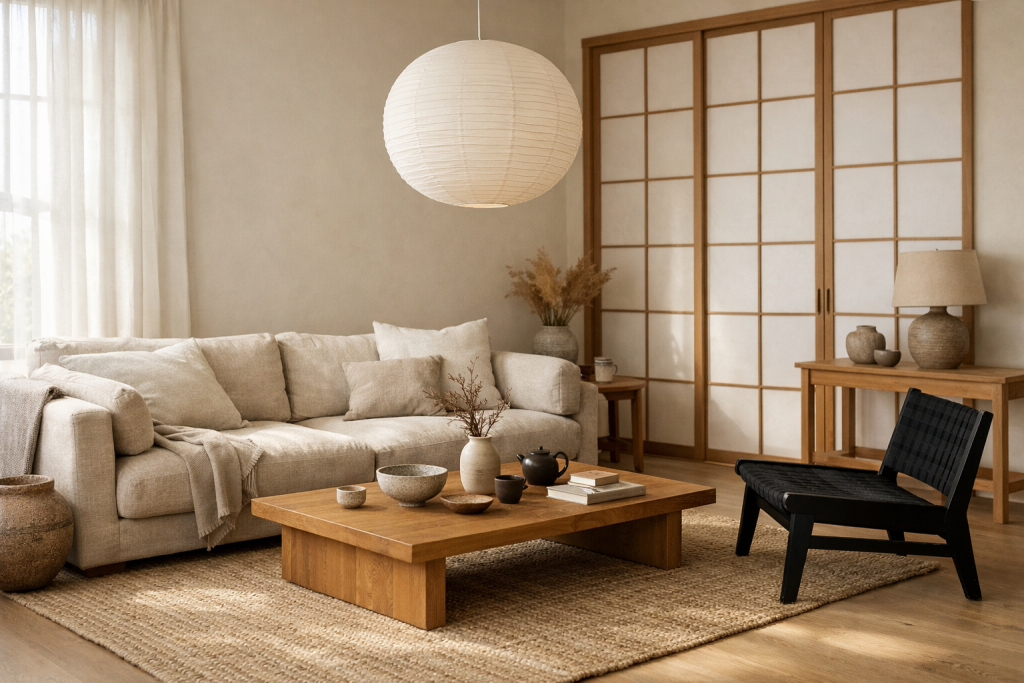
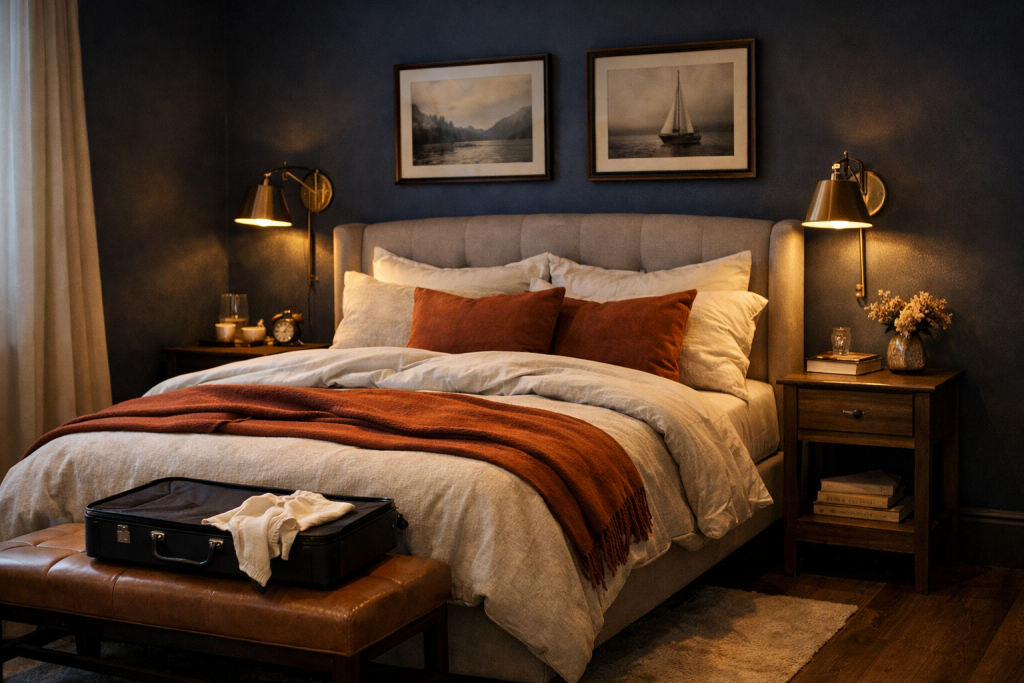
The room above works because it understands restraint. There is no loud pattern, no trendy color, and no pile of tiny accessories. Instead, the impact comes from proportion and material: a tall upholstered bed, layered bedding, dark wood, marble lamps, pinch-pleat curtains, a thick rug, and a bench that makes the bed wall feel complete.

The Room Decode
The formula is simple: one substantial upholstered bed, hotel-level bedding layers, dark wood for contrast, soft window treatments, and lamps that feel architectural. The palette stays quiet, but the room feels rich because the materials are doing the talking.
Begin With The Bed Wall
In a bedroom, the bed wall is the room. If that wall feels unfinished, the entire space feels unfinished. A tall upholstered headboard is one of the fastest ways to make a bedroom feel more expensive because it adds height, softness, and structure all at once.
Choose a headboard in taupe, mushroom, warm gray, oatmeal, or beige with a brown undertone. Avoid bright white if you want the room to feel warm. A slightly darker headboard also hides wear better and gives pale bedding something to contrast against.
The headboard should be wide enough to feel generous. If your bed is a queen, consider a headboard that extends a little beyond the mattress. If you are buying a full bed frame, look for simple upholstery, clean seams, and legs that do not call too much attention to themselves.

Layer Bedding Like A Hotel, But Keep It Livable
Quiet luxury bedding is about layers, not just thread count. Start with crisp sheets, add a duvet or coverlet, then fold a textured blanket across the lower third of the bed. Finish with sleeping pillows, two or three larger back pillows, and one long lumbar pillow.
The color palette should be close but not identical. Ivory sheets, warm beige duvet, taupe throw, and mushroom pillows will look more expensive than a matching bed-in-a-bag set. Slight variation creates depth.
Texture is essential. Pair smooth cotton with linen, a nubby throw, a velvet or woven lumbar pillow, and a wool rug. The room can stay monochrome because the surfaces are not all the same.
Use Dark Wood To Keep Neutrals From Floating Away
Dark wood nightstands are the grounding element in this bedroom. Without them, the room could drift into a beige blur. Walnut, espresso, smoked oak, or deep brown wood gives the room contrast and makes the pale bedding look more intentional.
You do not need matching bedroom sets. In fact, quiet luxury often looks better when the pieces coordinate without matching perfectly. The nightstands can be dark wood while the bench has wood legs and the art frames are a lighter oak. The connection is warmth, not sameness.
Look for nightstands with drawers. A calm bedroom depends on hidden storage. If every book, cord, lotion, and charger is visible, the room will never feel serene.
Invest In Curtains Before More Decor
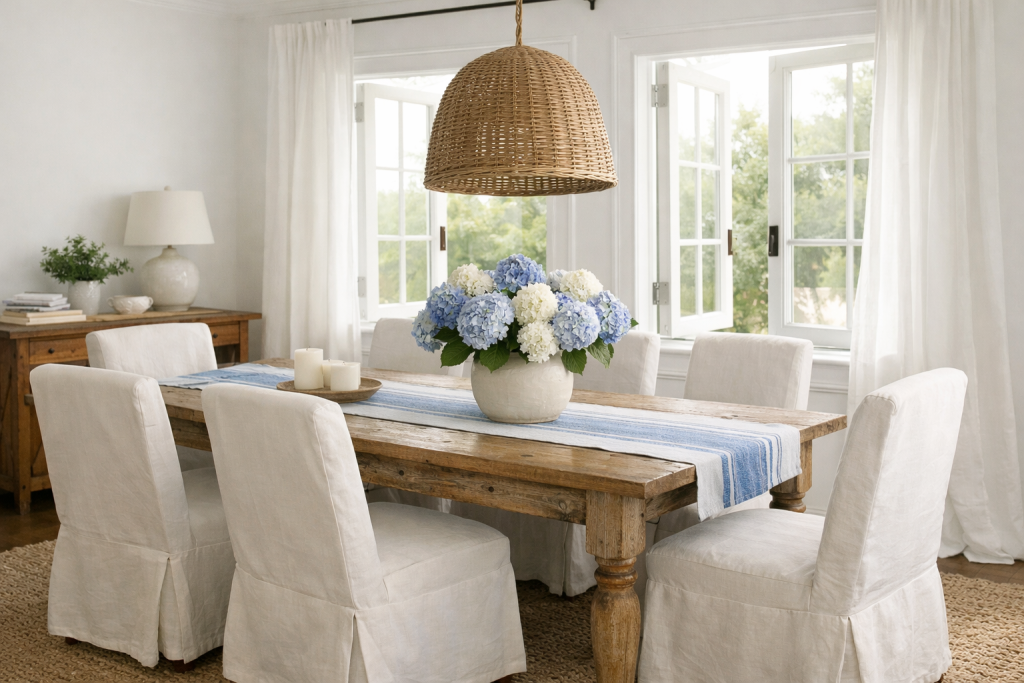
Pinch-pleat curtains instantly make a bedroom feel finished. They soften the wall, filter light, and add vertical movement. Hang them high and wide so the window feels larger and the fabric has room to stack outside the glass.
If custom drapery is not in the budget, ready-made pinch-pleat panels can still create the look. Choose a fabric that is not too shiny. Linen-blend, cotton, or textured polyester in ivory, oatmeal, or warm gray usually works well.
Curtains should almost touch the floor or softly break at the floor. Panels that stop too short can make the whole room feel less polished.
Choose Lamps With Weight
The lamps in a quiet luxury bedroom should feel substantial. Marble, travertine, ceramic, plaster, alabaster-style glass, or dark metal all work. The shade should be warm and simple, usually linen or a linen-like fabric.
Scale is important. Tiny lamps on large nightstands look accidental. A bedside lamp should be tall enough to read by and visually strong enough to balance the bed. If your headboard is high, your lamps need some height too.
Make The Floor Soft
A thick rug changes how a bedroom feels before you even look at it. It makes the room quieter, softer, and more comfortable. The rug should extend well beyond the sides and foot of the bed so your feet land on softness in the morning.
For this look, choose wool, wool-blend, high-pile, or a plush neutral rug with subtle texture. Avoid rugs that are too thin or too high-contrast. The floor should support the room, not compete with the bed.
Common Mistakes To Avoid
The biggest mistake is assuming quiet luxury means no personality. The room still needs art, shape, and personal objects. They just need to be edited. One sculptural vase is better than seven tiny accessories. Two framed prints are better than a cluttered wall.
The second mistake is buying everything in the exact same beige. Use warm white, ivory, oatmeal, taupe, mushroom, brown, and soft gray together. Undertone variation is what keeps the room alive.
The third mistake is using harsh lighting. Quiet luxury depends on softness. Use warm bulbs, lampshades, dimmers, and layered lighting wherever possible.